
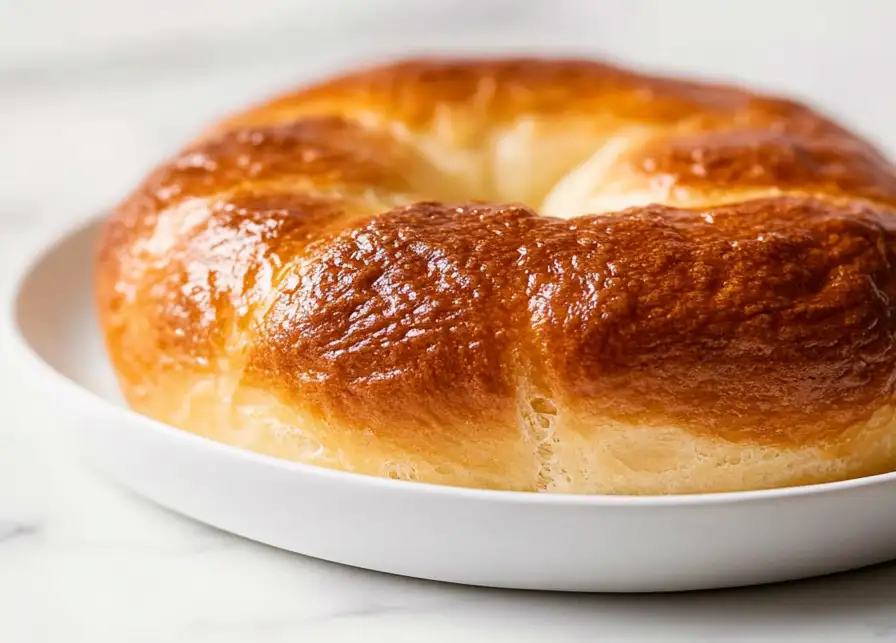
Milk Brioche: 12 Secrets to the World’s Softest Bread is one of my favorite recipes to share with friends and family. This delightful treat is perfect for breakfast or as a sweet indulgence any time of day. The magic of this milk brioche lies in its irresistibly soft texture, achieved through a few simple secrets that I’ll share with you today. Whether you’re a seasoned baker or a beginner, this recipe will guide you through creating a loaf that’s sure to impress.
If you’re curious about the science behind achieving such a soft texture, consider exploring the role of enriched doughs in baking. King Arthur Baking offers great insights into how ingredients like milk and butter contribute to a tender crumb. For those who love experimenting in the kitchen, Serious Eats provides in-depth articles on the techniques that can elevate your baking skills, making even a challenging recipe like brioche approachable and fun.
Table of Contents
Why You’ll Love This Brioche
Milk brioche is more than just bread; it’s a comforting, pillowy delight that brings warmth to any meal. Here’s why you’ll fall in love with this recipe:
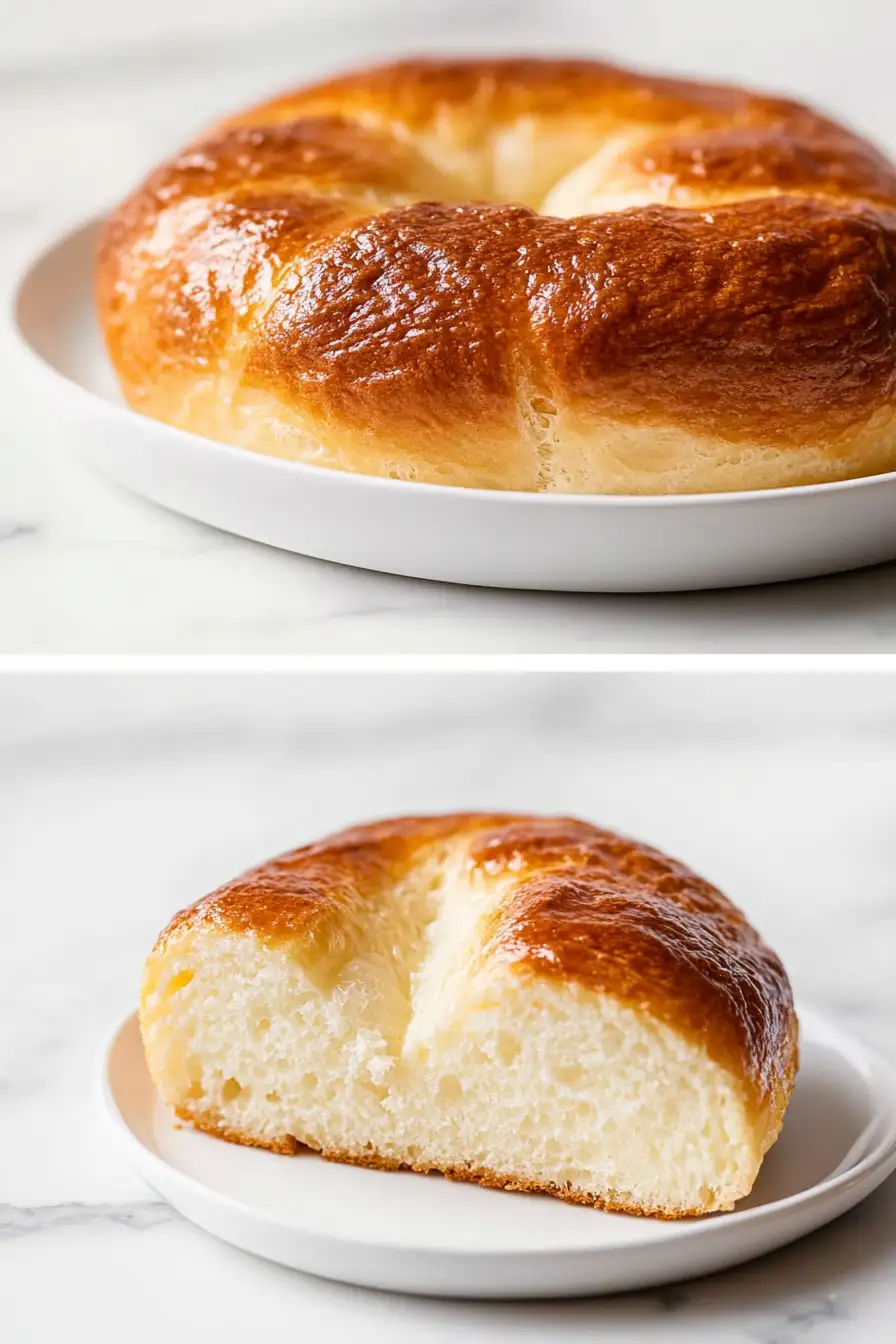
- Incredibly Soft and Fluffy: The combination of heavy cream and milk creates a texture so soft, it practically melts in your mouth. This unique blend not only gives it an amazing texture but also ensures that each bite is a luxurious experience. When you tear into a slice, the layers almost unravel themselves, showcasing the light, airy nature of this bread.
- Versatile: Enjoy it plain, slathered with butter, or paired with your favorite jam. It’s perfect for French toast or bread pudding too! The adaptability of milk brioche makes it a perfect canvas for both sweet and savory toppings. Imagine a breakfast table adorned with this brioche, ready to be transformed into a decadent French toast or an elegant sandwich.
- Family-Friendly: A hit with both kids and adults, this brioche is a family favorite that can be enjoyed all week long. Its subtle sweetness is appealing to even the pickiest of eaters, making it a go-to option for family gatherings or casual brunches.
- Simple Ingredients: With ingredients you likely already have at home, this recipe is both affordable and accessible. There’s no need for a special trip to a gourmet store; everything you need is probably already in your pantry or fridge, making it a practical choice for everyday baking.
The Recipe
For the Milk Brioche:
| Amount | Ingredient | Notes |
|---|---|---|
| 160 ml | heavy cream | at room temperature |
| 240 ml | milk | plus 1 tablespoon, at room temperature |
| 1 | large egg | at room temperature |
| 67 g | sugar | — |
| 480 g | all-purpose flour | or use a combination of 1/2 cup cake flour and 3 1/2 cups bread flour |
| 1 tbsp | active dry yeast | or instant yeast |
| 1.5 tsp | salt | — |
| 1 | Egg wash | 1 beaten egg with 1 teaspoon water |
| 1 | Simple syrup | 1 tablespoon sugar dissolved in 1 tablespoon hot water |
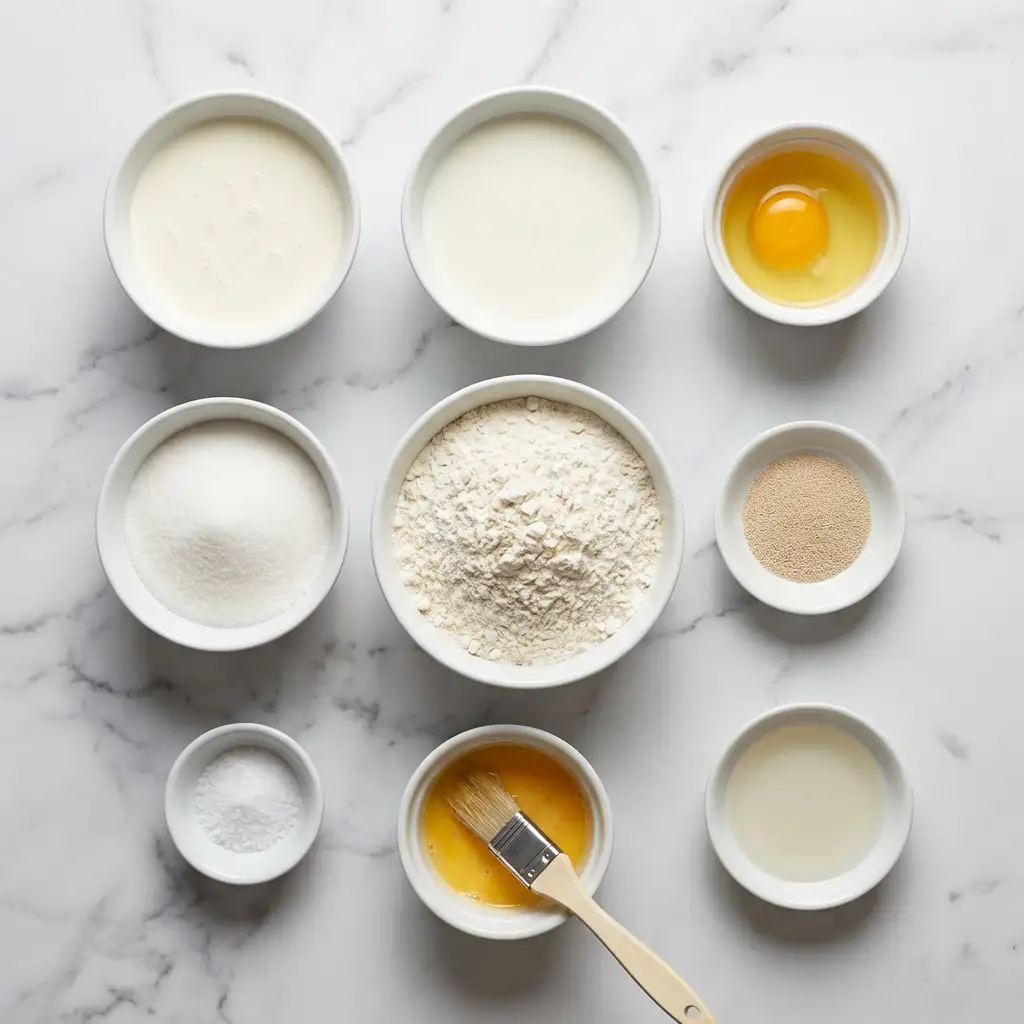
- In a large mixing bowl, combine the heavy cream, milk, egg, sugar, flour, yeast, and salt. Mix well. Ensure everything is at room temperature to facilitate the yeast activation and allow the ingredients to blend seamlessly, resulting in a uniform dough.
- Knead the mixture until the dough becomes smooth and elastic, which should take about 10 minutes by hand or 5 minutes if using a stand mixer. Kneading is crucial; it develops the gluten which provides structure to the bread, enabling it to rise well.
- Place the dough in a lightly greased bowl, cover it, and let it rise in a warm place until it doubles in size. This should take about 60 minutes. The first rise is essential for developing flavor and texture.
- Punch down the risen dough and shape it into your desired brioche form. Place the shaped dough into a loaf pan. Shaping the dough correctly ensures an even crumb, allowing it to bake uniformly.
- Cover the loaf and let it rise again until puffy, approximately 40 minutes. The second rise, or proofing, is crucial for achieving that light, airy texture characteristic of a good brioche.
- Preheat your oven to 350°F (175°C). A well-preheated oven ensures a consistent bake, giving the brioche its distinctive golden crust without over-drying the interior.
- Brush the top of the brioche with the egg wash for a beautiful golden crust. This not only enhances the visual appeal but also adds a subtle richness to the crust.
- Bake for 25-30 minutes, or until the loaf is golden brown and sounds hollow when tapped. This sound test is a foolproof method to check for doneness.
- While the brioche is still warm, brush it with simple syrup to give it a glossy finish. This step locks in moisture and adds a gentle sweetness that complements the bread’s natural flavors.
- Allow the brioche to cool completely on a wire rack before slicing and serving. Cooling is essential to set the crumb and make slicing easier.
Kitchen Tools You’ll Need
| Tool | Why you need it |
|---|---|
| Mixing Bowl | For combining all your ingredients |
| Stand Mixer | Optional, but makes kneading easier |
| Loaf Pan | To shape and bake the brioche |
| Pastry Brush | For applying egg wash and simple syrup |
| Wire Rack | To cool the brioche evenly |
Using the right tools can make a significant difference in your baking process. A mixing bowl of the right size allows you to combine ingredients without spilling. A stand mixer can be a worthy investment if you bake regularly, saving you time and effort on kneading. Loaf pans ensure your brioche maintains its shape, while a pastry brush helps you achieve that perfect golden finish. Finally, a wire rack is critical to prevent the bottom of your bread from becoming soggy as it cools.
The Benefits of Each Ingredient
| Ingredient | What it does here |
|---|---|
| Heavy Cream | Adds richness and a tender crumb |
| Milk | Contributes to a softer texture |
| Egg | Provides structure and a lovely golden color |
| Sugar | Sweetens the dough and aids in yeast activation |
| All-Purpose Flour | Offers the right balance of gluten for structure |
| Yeast | Leavens the dough, making it rise and become fluffy |
| Salt | Enhances flavor and controls yeast activity |
Understanding the role of each ingredient helps you appreciate the chemistry behind baking. The heavy cream and milk are not just about softness; they also lend a slight sweetness and depth of flavor. The egg is integral not only for color but also for its binding properties. Sugar, a critical component, does more than sweeten—it feeds the yeast, kick-starting the fermentation process. Flour provides the framework, while yeast is the magic ingredient that transforms these components into a light, airy loaf. Salt, though used sparingly, is indispensable for flavor balance and controlling yeast activity.
What to Serve With This Brioche
| Idea | Why it pairs well |
|---|---|
| Butter and Jam | Classic pairing that enhances the sweetness of the brioche |
| Cheese Platter | The soft texture complements a variety of cheeses |
| Coffee or Tea | A warm beverage to balance the brioche’s richness |
Pairing your milk brioche with the right accompaniments can elevate your dining experience. A simple spread of butter and jam highlights the bread’s sweetness, while a cheese platter can turn it into a sophisticated appetizer or snack. The creamy, mild flavors of the brioche are perfectly set off by a robust coffee or delicate tea, making it an ideal choice for breakfast or afternoon tea.
Storage & Leftover Tips
| Method | How long | Tip |
|---|---|---|
| Room Temp | 2-3 days | Store in an airtight container |
| Refrigerate | Up to 1 week | Keep wrapped in plastic to prevent drying |
| Freeze | Up to 2 months | Slice before freezing for easy thawing |
Proper storage is key to maintaining the freshness and quality of your brioche. At room temperature, an airtight container is your best bet against staleness. Refrigeration can extend its shelf life but be sure to wrap it well to prevent it from drying out. Freezing is a great way to preserve any leftovers for later; just ensure you slice the loaf before freezing to make it easier to defrost and enjoy a slice at a time.
This milk brioche is not just a recipe; it’s a tradition in the making. Baking it fills your home with the most comforting aroma, and sharing it with loved ones makes any day special. The beauty of this recipe is its simplicity, allowing the natural flavors to shine through without overwhelming the senses. Whether you’re enjoying it fresh out of the oven or a few days later, the softness and flavor remain unparalleled. I hope you enjoy making this as much as I do, and remember, the secret is in the simplicity and patience. Each loaf is a testament to the joy of baking, a small luxury that enriches the everyday.
FAQs About Milk Brioche: 12 Secrets to the World’s Softest Bread
Can I substitute the heavy cream with something else?
Yes, you can use half-and-half or whole milk as a substitute, though it might slightly affect the richness of the brioche.
How do I store the brioche to keep it soft?
To maintain its softness, store the brioche in an airtight container at room temperature or wrap it well before refrigerating or freezing.
Can I make this recipe ahead of time?
Absolutely! You can prepare the dough the night before and let it rise slowly in the fridge overnight. Just bring it to room temperature before the final rise and baking. For more delicious recipes, check out my No-Knead Artisan Bread or try the delightful Vanilla Bean Pound Cake. For more on yeast bread baking techniques, visit King Arthur Baking. Happy baking!

Milk Brioche: 12 Secrets to the World’s Softest Bread
Ingredients
Equipment
Method
- Mix heavy cream, milk, egg, sugar, flour, yeast, and salt in a bowl.
- Knead until the dough is smooth and elastic.
- Let the dough rise until doubled in size.
- Shape the dough into your desired brioche form.
- Let it rise again until puffy.
- Preheat your oven to 350°F (175°C).
- Brush the brioche with egg wash.
- Bake until golden brown, about 25-30 minutes.
- Brush with simple syrup while warm for a glossy finish.
- Cool before serving.