
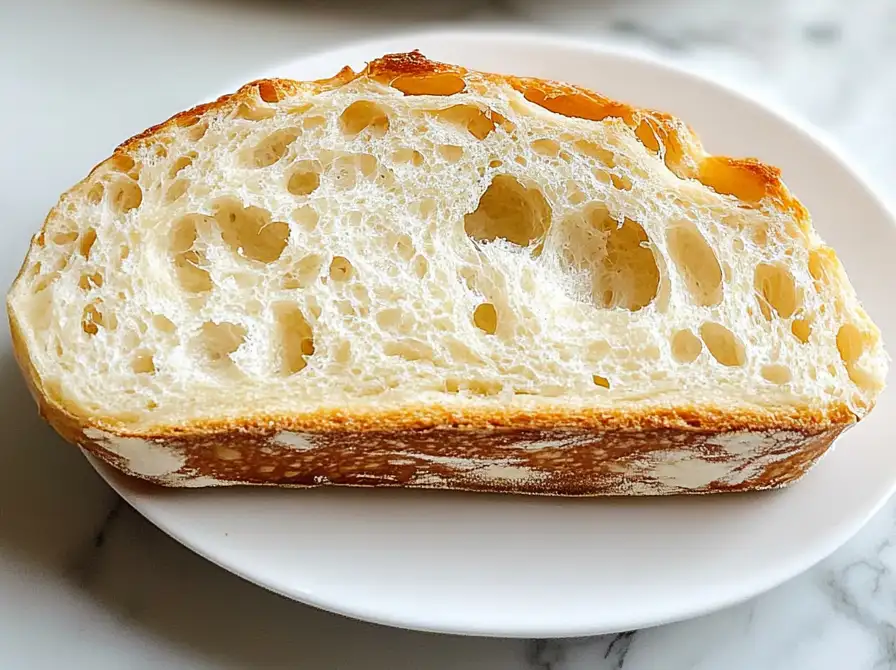
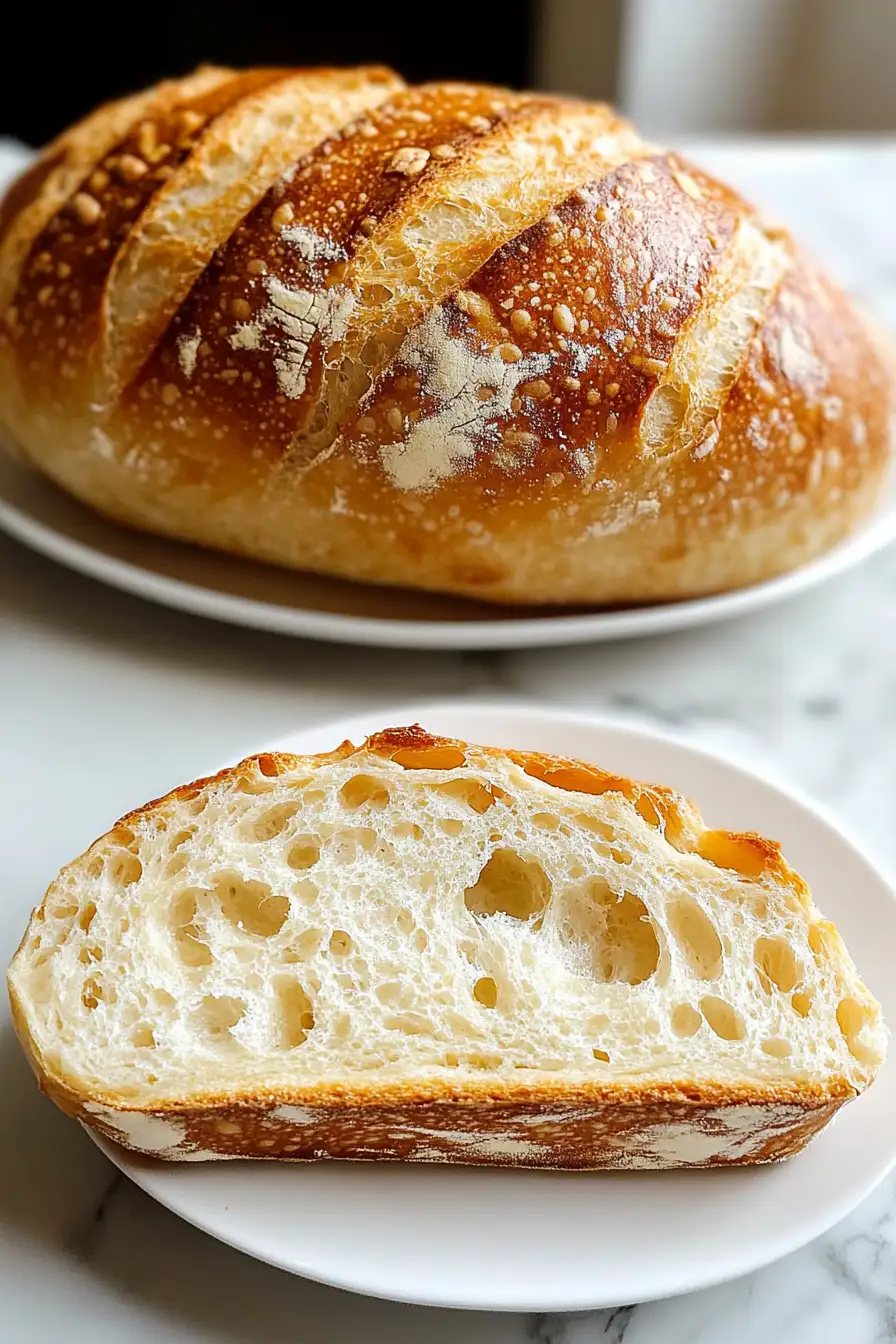
Crusty Italian Bread is a delightful staple that brings the aroma and taste of an authentic Italian bakery right into your home. There’s something magical about the way the perfectly crisp crust gives way to a soft, airy interior with every slice. This bread is a beautiful accompaniment to any meal and is surprisingly easy to make with just a few simple ingredients. Let’s dive into how you can create this comforting loaf and fill your kitchen with the delightful smell of freshly baked bread.
For those curious about the science behind bread-making, understanding the role of yeast and gluten development can enhance your baking skills. Yeast fermentation is crucial for the bread’s rise and flavor, a process well-explained in this guide from King Arthur Baking. Additionally, mastering gluten development is key to achieving the perfect texture, as detailed in Serious Eats’ comprehensive article on kneading dough. These insights can help transform your bread from good to exceptional.
Table of Contents
Why You’ll Love This Bread
Crusty Italian Bread is a wonderful addition to any meal because it combines simplicity with versatility. It’s perfect for sandwich making, a side to your favorite pasta dish, or simply enjoyed with a generous slathering of butter. This bread’s crusty exterior provides a satisfying crunch, while the interior remains soft and airy, making it ideal for soaking up soups and sauces. Whether you’re a seasoned baker or a beginner, this recipe is straightforward and requires minimal ingredients that are likely already in your pantry.
The beauty of this bread lies in its adaptability. You can serve it fresh from the oven, and it will enhance the flavors of whatever it accompanies. Its texture is a delightful contrast to creamy soups or saucy pasta dishes, while its flavor is subtle enough not to overpower more delicate elements like fresh mozzarella in a Caprese salad. Moreover, the process of making this bread is a therapeutic experience. As you knead the dough and watch it rise, you gain a deeper appreciation for the art of baking and the simple pleasures it brings.
The Recipe
For the Bread Dough:
| Amount | Ingredient | Notes |
|---|---|---|
| 500 g | bread flour | high protein flour for a better rise |
| 2 tsp | active dry yeast | ensure it’s fresh for best results |
| 2 tsp | salt | improves flavor and strengthens dough |
| 375 ml | warm water | about 110°F or 45°C |
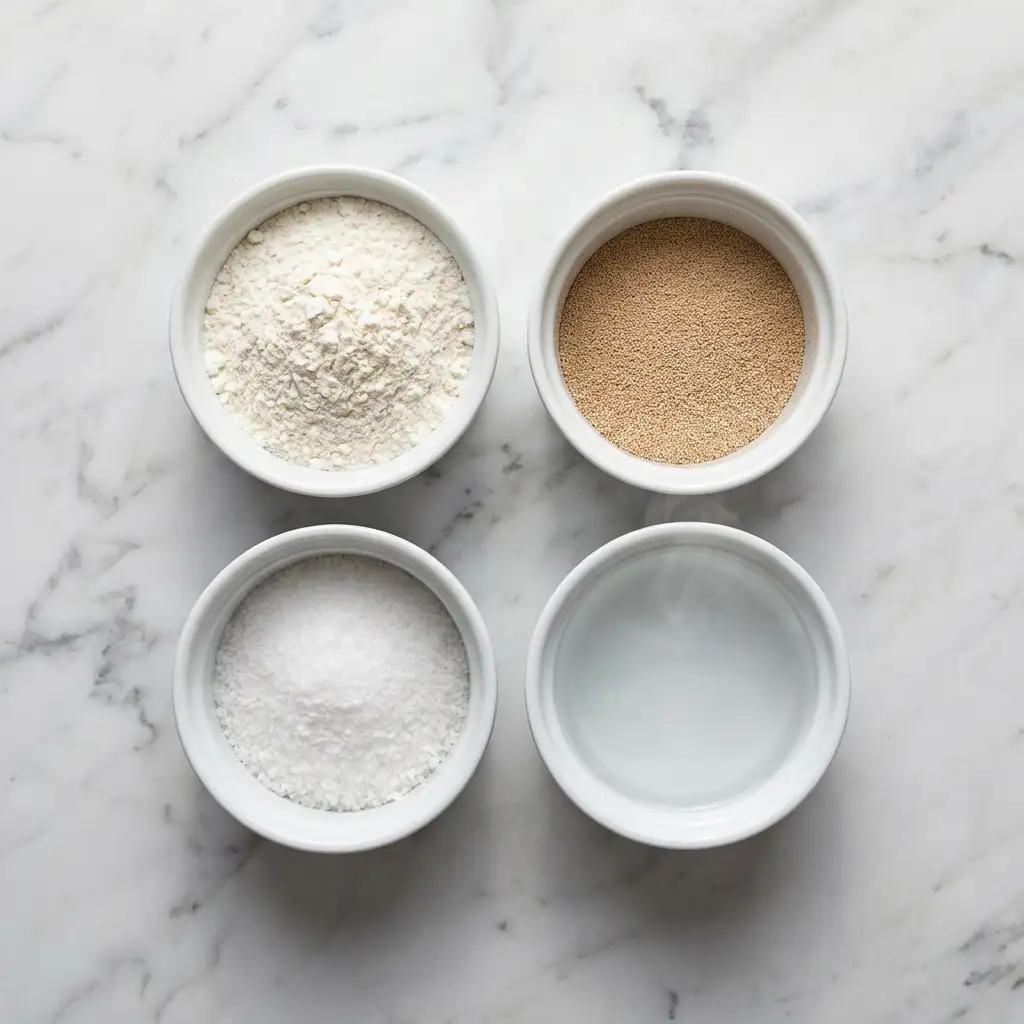
- In a mixing bowl, combine the bread flour, active dry yeast, and salt. Mix these dry ingredients together thoroughly to ensure even distribution of the yeast and salt. This step is crucial as it sets the foundation for your bread. The flour provides structure, the yeast acts as the leavening agent, and the salt enhances flavor while controlling yeast activity.
- Gradually add the warm water to the dry ingredients, stirring continuously until a dough begins to form. The warmth of the water helps activate the yeast, setting the stage for a good rise. As you mix, you’ll notice the dough coming together in a cohesive ball. Knead the dough until it becomes smooth and elastic. This process can take about 10 minutes by hand, but it’s worth the effort. Kneading develops gluten, which gives the bread its structure and chewy texture.
For a golden crust, consider brushing the loaf with water or egg wash before baking. This simple step can enhance the color and texture of the crust, making your bread look as good as it tastes. An egg wash will give the crust a shiny, golden finish, while water will help achieve a more rustic look.
Kitchen Tools You’ll Need
| Tool | Why you need it |
|---|---|
| Mixing Bowl | Essential for combining and kneading the dough |
| Measuring Cup | To accurately measure the water |
| Kitchen Scale | Ensures precise flour measurement |
| Baking Sheet | For baking the bread in the oven |
| Oven | To bake the bread to perfection |
Each of these tools plays a vital role in the bread-making process. A mixing bowl is fundamental, as it holds all your ingredients and allows you to mix and knead without creating a mess. A measuring cup ensures that your water measurements are precise, as too much or too little can affect the dough’s consistency. The kitchen scale is indispensable for measuring flour accurately, which is crucial for the texture and structure of the bread. A baking sheet is necessary for placing the dough in the oven, and the oven itself is where the magic happens, transforming the dough into a beautiful loaf of bread.
The Benefits of Each Ingredient
| Ingredient | What it does here |
|---|---|
| Bread Flour | Provides structure and strength to the bread |
| Active Dry Yeast | Acts as the leavening agent, making the bread rise |
| Salt | Enhances flavor and controls yeast activity |
| Warm Water | Activates the yeast and helps the dough come together |
Each ingredient in this recipe plays a crucial role in achieving the perfect loaf of Crusty Italian Bread. Bread flour, with its high protein content, is essential for developing the gluten network that gives the bread its chewy texture. Active dry yeast is the powerhouse that causes the dough to rise, creating the airy interior essential for this type of bread. Salt not only enhances the flavor but also strengthens the dough structure by tightening the gluten strands. Warm water is pivotal in activating the yeast, ensuring that it works efficiently to leaven the bread.
What to Serve With This Bread
| Idea | Why it pairs well |
|---|---|
| Olive Oil & Balsamic Vinegar | A classic and simple dipping option |
| Minestrone Soup | The bread’s texture complements this hearty soup |
| Caprese Salad | Fresh and light, balancing the bread’s richness |
| Pasta Dishes | Perfect for soaking up flavorful sauces |
| Cheese Platter | Its neutral flavor enhances a variety of cheeses |
Crusty Italian Bread is incredibly versatile when it comes to pairing with other foods. Dipping it in olive oil and balsamic vinegar is a classic choice that highlights the bread’s flavor while adding a touch of Mediterranean flair. Minestrone soup, with its robust flavors and hearty ingredients, is beautifully complemented by the bread’s texture. A Caprese salad, with its fresh tomatoes, mozzarella, and basil, provides a refreshing contrast to the bread’s richness. When served with pasta dishes, this bread excels at soaking up every last bit of sauce, ensuring nothing goes to waste. Lastly, a cheese platter paired with this bread allows the cheeses’ flavors to shine, making it an excellent choice for entertaining.
Storage & Leftover Tips
| Method | How long | Tip |
|---|---|---|
| Room Temp | 2-3 days | Store in a paper bag to maintain crustiness |
| Freezing | Up to 3 months | Wrap tightly in plastic and then in foil |
| Refrigeration | Not recommended | Can dry out the bread |
Proper storage is key to enjoying your Crusty Italian Bread for as long as possible. At room temperature, storing the bread in a paper bag is ideal as it allows the crust to remain crunchy while preventing the bread from becoming soggy. If you plan to keep the bread for an extended period, freezing is the best option. Wrap the bread tightly in plastic wrap to protect it from freezer burn, and then in foil to maintain freshness. Avoid refrigerating the bread, as it can lead to drying out and losing its delightful texture.
With the ease of this recipe, Crusty Italian Bread can become a regular feature in your home cooking. It’s a bread that not only fills your home with the delightful scent of baking but also your heart with the satisfaction of making something from scratch that everyone can enjoy. From the first slice to the last crumb, this bread is a testament to the joy of homemade baking and the warmth it brings to the table. Whether you’re sharing it with family or enjoying it alone, Crusty Italian Bread is sure to become a beloved staple in your culinary repertoire. With each loaf, you gain not just a delicious bread, but a new appreciation for the simple, yet profound, act of baking.
FAQs About Crusty Italian Bread
Can I substitute all-purpose flour for bread flour?
Yes, you can use all-purpose flour; however, the bread may not rise as well or have the same chewy texture due to the lower protein content in all-purpose flour.
How should I store the bread to keep it fresh?
Store the bread at room temperature in a paper bag for 2-3 days to maintain its crusty texture. For longer storage, consider freezing the bread.
Can I prepare the dough in advance?
Absolutely! You can prepare the dough, let it rise, shape it, and then refrigerate it. Allow it to come to room temperature before baking to ensure it bakes evenly. For more tips on using yeast effectively, you might find this USDA guide on baking with yeast helpful. I hope this recipe brings as much joy to your home as it does to mine. Happy baking!
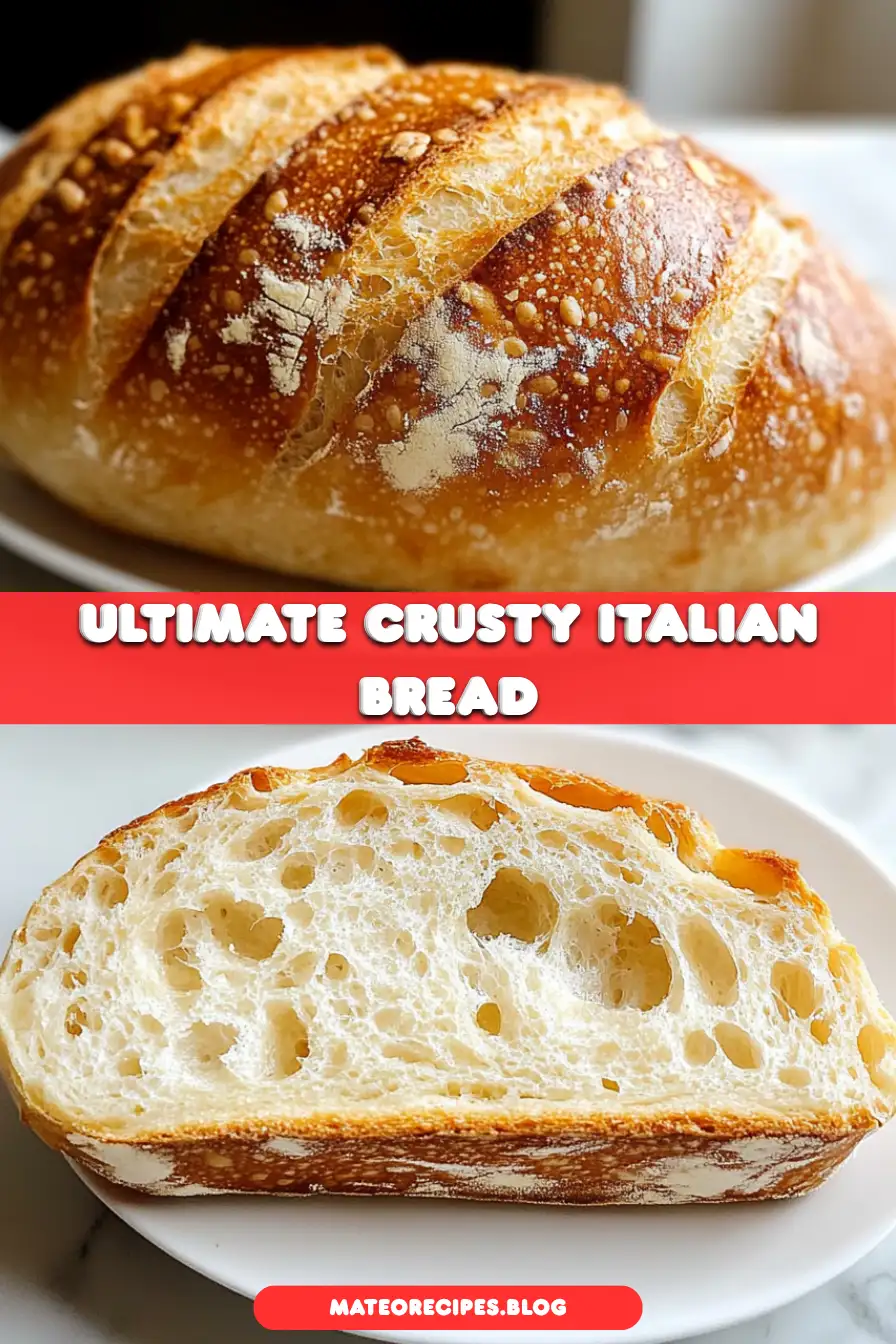
Crusty Italian Bread
Ingredients
Equipment
Method
- In a mixing bowl, combine the bread flour, active dry yeast, and salt.
- Add the warm water and mix until a dough forms.