
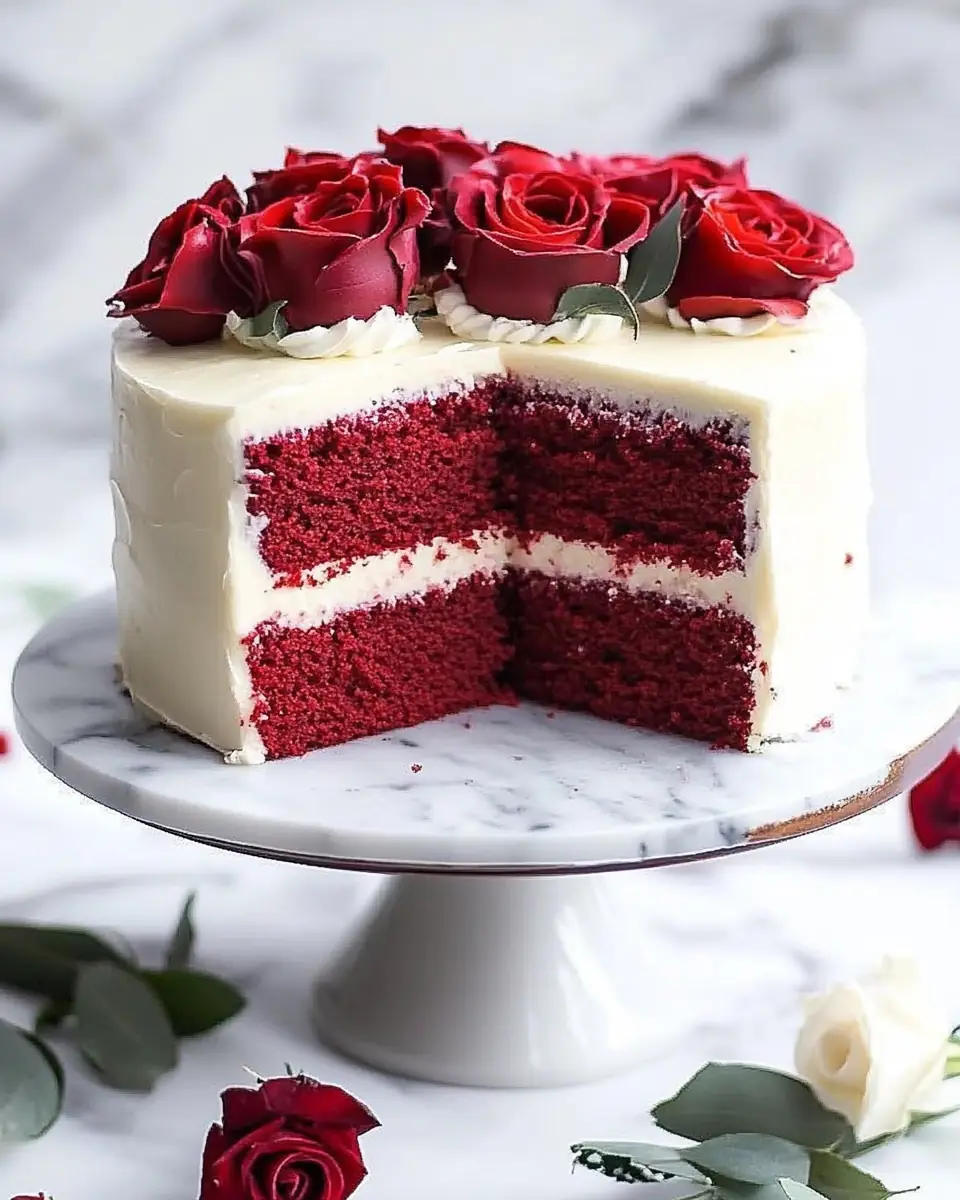
A Journey Through Time: The Story Behind the Red Velvet Cake
Before we dive deeper into the making of this beloved dessert, let’s take a moment to appreciate the history and cultural significance of red velvet cake. Originating in the United States, this cake is often associated with the vibrant culinary scene of the Southern states. Its name alone invokes curiosity and excitement, inviting bakers and eaters alike to explore its rich history and unique flavor profile.
The Historical Roots of Red Velvet Cake
Historically, red velvet cake was a product of the Great Depression era when specific ingredients were scarce. Bakers became innovative, using beet juice to add moisture and a natural red tint to their cakes. This resourcefulness was crucial during a time when luxury ingredients were hard to come by, and bakers had to rely on what was readily available. The use of beet juice not only provided a subtle red hue but also contributed to the cake’s moist texture, a feature that remains celebrated to this day.
As time went on, the recipe evolved with the introduction of red food coloring, which helped solidify the cake’s iconic appearance. This change marked a shift from practicality to aesthetics, as the vibrant red became a symbol of indulgence and celebration. The cake’s popularity surged in the mid-20th century, gaining a reputation as a luxurious dessert enjoyed during special occasions. Its prestige grew further with its frequent appearances in Hollywood films and upscale bakeries, cementing its status as a cultural icon.
The Southern Influence
Red velvet cake’s association with the Southern United States is more than just a geographical marker; it’s a testament to the region’s rich culinary traditions. Southern cuisine is known for its emphasis on comfort, hospitality, and flavor, all of which are embodied in the red velvet cake. The cake’s luxurious texture and distinctive taste make it a staple at Southern gatherings, where it often serves as a centerpiece for celebrations and family get-togethers.
Evolution in Popular Culture
Today, red velvet cake is a staple in American cuisine, celebrated for its unique taste and vibrant appearance. Its journey from a humble dessert to a symbol of elegance and festivity reflects broader cultural shifts and changing tastes. The cake’s presence in pop culture, from iconic movie scenes to celebrity weddings, has further cemented its place in the American culinary landscape.
The Science Behind the Recipe
Understanding the science of baking can elevate your culinary skills, making every cake you bake a masterpiece. The creation of red velvet cake is a delicate balance of chemistry and artistry, where each ingredient plays a specific role.
The Role of Acid and Alkaline
The combination of buttermilk and vinegar with baking soda creates a chemical reaction that leavens the cake, making it rise and giving it a light, fluffy texture. This reaction is a classic example of acid-base chemistry, where the acidic buttermilk and vinegar react with the alkaline baking soda to produce carbon dioxide bubbles. These bubbles expand in the oven, causing the cake to rise and achieving that sought-after lightness.
The acidity from these ingredients also enhances the cocoa powder’s flavor, bringing out the subtle chocolate notes that define a true red velvet cake. The tanginess of the buttermilk and vinegar balances the sweetness of the cake, ensuring that each bite is a harmonious blend of flavors.
The Magic of Cocoa
Cocoa powder, though minimal in quantity, is crucial for the cake’s flavor. It adds depth and a hint of chocolate without overpowering the other flavors. The cocoa also reacts with the acidic ingredients, contributing to the cake’s distinctive red color when combined with food coloring. This interaction underscores the importance of using high-quality cocoa, as its subtle notes are integral to the cake’s overall flavor profile.
Egg Whites and Texture
Using egg whites instead of whole eggs helps achieve a lighter texture. The proteins in egg whites provide structure, while the absence of yolks keeps the crumb tender and moist. This technique, often used in sponge cakes, ensures that the red velvet cake maintains its signature softness without becoming dense.
Mastering the Art of Frosting
The frosting is as important as the cake itself in a red velvet recipe. The cream cheese frosting adds a creamy, tangy contrast to the cake’s sweetness, creating a harmonious blend of flavors.
Tips for Perfect Cream Cheese Frosting
Room Temperature Ingredients: Ensure that both the cream cheese and butter are at room temperature before mixing. This prevents lumps and ensures a smooth, spreadable frosting. Cold ingredients can lead to a lumpy texture, while room temperature ones blend seamlessly.
Gradual Mixing: Add powdered sugar gradually to the cream cheese and butter mixture. This prevents a sugar cloud from forming and helps achieve the desired consistency. It’s also important to taste as you go, adjusting the sweetness to your preference.
Adjusting Consistency: If the frosting is too thick, add a splash of heavy cream. If it’s too thin, add more powdered sugar. The final texture should be thick yet easily spreadable. Achieving the right consistency is crucial for both aesthetics and ease of application.
Flavor Enhancements: For an extra layer of flavor, consider adding a pinch of salt or a few drops of almond extract to the frosting. These additions can elevate the frosting, adding complexity to the overall taste.
Creative Twists on a Classic
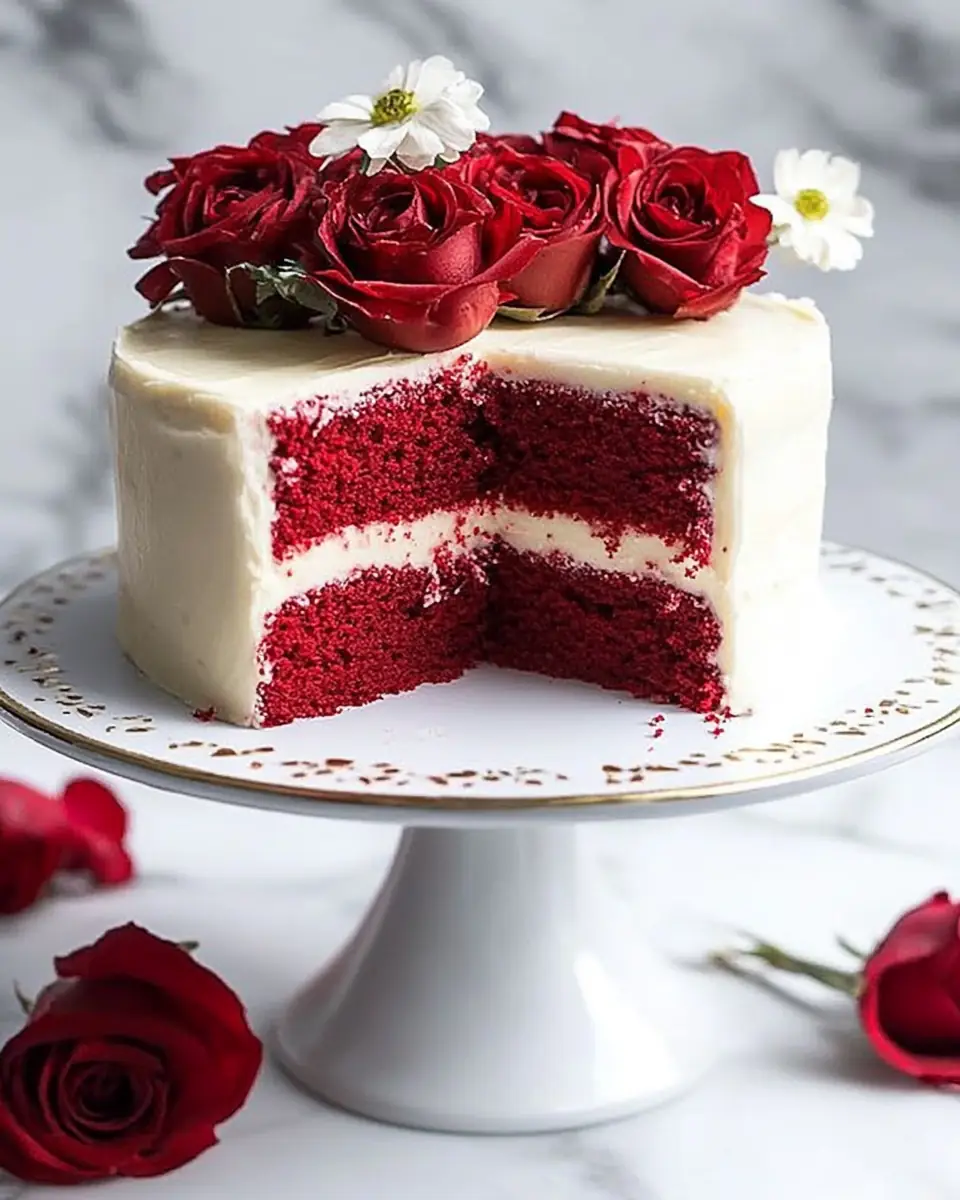
While the traditional red velvet cake is a classic, there’s always room for creativity in the kitchen. Here are a few variations to try:
Red Velvet Cupcakes
Transform the cake into individual servings by making red velvet cupcakes. Simply divide the batter among cupcake liners and bake for 18-20 minutes. Top with a swirl of cream cheese frosting for a delightful treat. Cupcakes offer a perfect portion size and are a hit at parties and gatherings.
Red Velvet Cheesecake
For a decadent twist, incorporate layers of cheesecake between the red velvet layers. This fusion of flavors creates a rich dessert that will impress any guest. The creamy cheesecake layers add a luxurious element, making this variation a showstopper at any event.
Holiday Red Velvet
Add a festive touch by decorating the cake with seasonal fruit, such as strawberries and blueberries, or sprinkle with edible gold dust for a holiday celebration. These enhancements not only add flavor and color but also make the cake visually stunning, perfect for festive occasions.
Red Velvet Cake Pops
For a bite-sized treat, crumble leftover red velvet cake and mix it with a bit of cream cheese frosting. Roll into balls, insert a stick, and dip in melted chocolate. These cake pops are perfect for parties and are a fun way to enjoy red velvet cake.
The Joy of Baking Together
Baking is more than just a culinary task; it’s an opportunity to bond, create, and share. Involving family members, especially children, can turn baking into a delightful experience filled with laughter and learning.
Tips for Baking with Kids
Assign Age-Appropriate Tasks: Younger children can help with mixing ingredients or decorating, while older kids can assist with measuring and following the recipe. Tailoring tasks to age and skill level ensures a safe and enjoyable experience for everyone involved.
Make It Educational: Use the opportunity to teach children about measuring, following instructions, and the science behind baking. This hands-on learning can spark an interest in cooking and science, fostering creativity and curiosity.
Create a Positive Environment: Encourage creativity, and remember that the process is just as important as the final product. Praise efforts and be patient, making the kitchen a space of exploration and fun.
Frequently Asked Questions
Can I Make This Cake Gluten-Free?
Yes! Substitute the all-purpose flour with a gluten-free flour blend that includes xanthan gum. This will help maintain the cake’s structure and texture. It’s important to use a blend designed for baking to ensure the best results.
What If I Don’t Have Buttermilk?
If buttermilk isn’t available, you can make a substitute by adding 1 tablespoon of white vinegar or lemon juice to 1 cup of milk. Let it sit for a few minutes before using. This simple substitute mimics the acidity of buttermilk, crucial for the cake’s texture and flavor.
How Can I Make the Cake More Vibrant Red?
Ensure you’re using a high-quality red food coloring. Gel-based colorings tend to provide a more vibrant hue compared to liquid ones. Additionally, using a concentrated coloring means you need less, which can prevent altering the cake’s flavor and texture.
Can I Freeze Red Velvet Cake?
Yes, red velvet cake can be frozen. Ensure it is well-wrapped in plastic wrap and aluminum foil to prevent freezer burn. When ready to serve, thaw it in the refrigerator overnight. Freezing can be a great way to make the cake ahead of time for special occasions.
Final Thoughts
Red velvet cake is more than just a dessert; it’s a celebration of history, flavor, and family. As you embark on your baking journey, remember that each cake tells a story, and each slice shared spreads joy. Whether you’re preserving a family tradition or creating new memories, this red velvet cake recipe is sure to bring warmth and happiness to your home.
The allure of red velvet cake lies not only in its vibrant color and unique taste but also in its ability to bring people together. It’s a dessert that transcends generations, evoking nostalgia and joy. Thank you for joining me on this culinary adventure. I hope this red velvet cake becomes a cherished addition to your recipe collection, just as it has been in mine. Happy baking, and may your kitchen always be filled with love and laughter!
Homemade Red Velvet Cake
Ingredients
Equipment
Method
- Line two 6″ round cake pans with parchment paper and lightly spray with cooking spray.
- Preheat the oven to 350°F.
- In a medium bowl, beat together the canola oil, sugar, buttermilk, egg whites, red food coloring, vanilla, and vinegar using an electric mixer.
- In another bowl, whisk together the flour, baking soda, salt, and cocoa powder.
- Slowly add the dry ingredients to the wet ingredients while mixing.
- Divide the batter between the two cake pans and bake for 25-35 minutes, until a cake tester comes out clean. Let cool completely on a wire rack.
- Once cool, remove the cakes from the pans and peel off the parchment.
- For the frosting, beat the cream cheese and butter until smooth.
- Gradually add the powdered sugar, beating after each addition.
- Add vanilla extract and heavy cream, beat until fluffy.
- Frost the cake by placing one layer on a serving plate, adding frosting, then topping with the second layer and frosting the entire cake.