The Origins and Evolution of French Toast
French toast, a dish beloved by many, has a fascinating history that stretches back centuries, transcending cultures and continents. Its origins can be traced to ancient times, long before it acquired the modern name we recognize today. The Romans were pioneers in creating a dish reminiscent of what we now know as French toast. They called it “Pan Dulcis,” which involved dipping bread in milk and egg and frying it to a golden perfection. This culinary innovation was not just about flavor but also practicality. The use of stale bread to concoct a delicious meal was both resourceful and economical, a tradition that has been passed down through generations and remains integral to the dish today.
Interestingly, the term “French toast” is believed to have originated in England during the 17th century. It was known as “poor knight’s pudding,” a name that underscored its humble, economical roots. In France, the dish is referred to as “pain perdu,” which translates to “lost bread,” highlighting the dish’s ability to rejuvenate old bread into something delightful.
As the dish made its way across continents, it adapted to local tastes and ingredients. In the United States, French toast has evolved into a breakfast staple, often adorned with a variety of toppings such as maple syrup, fresh fruit, or a dusting of powdered sugar. The modern iteration, such as the Easy French Toast Casserole, represents a contemporary twist on this classic, melding the rich history of the dish with present-day convenience.
Exploring Flavor Variations
While the classic version of French toast casserole is delightful on its own, the recipe’s adaptability is one of its greatest strengths. There are numerous ways to customize this dish to suit your palate or the occasion. Here are some tempting variations to consider:
Sweet Additions
- Fruit Infusion: Incorporating fresh or dried fruits like blueberries, raspberries, or raisins into the casserole before baking introduces bursts of flavor and vibrant color. The natural sweetness of the fruit complements the custard beautifully.
- Nutty Crunch: To add texture and a hint of nuttiness, sprinkle chopped nuts such as almonds, pecans, or walnuts over the top before baking. This addition not only enhances the flavor but also provides a delightful crunch.
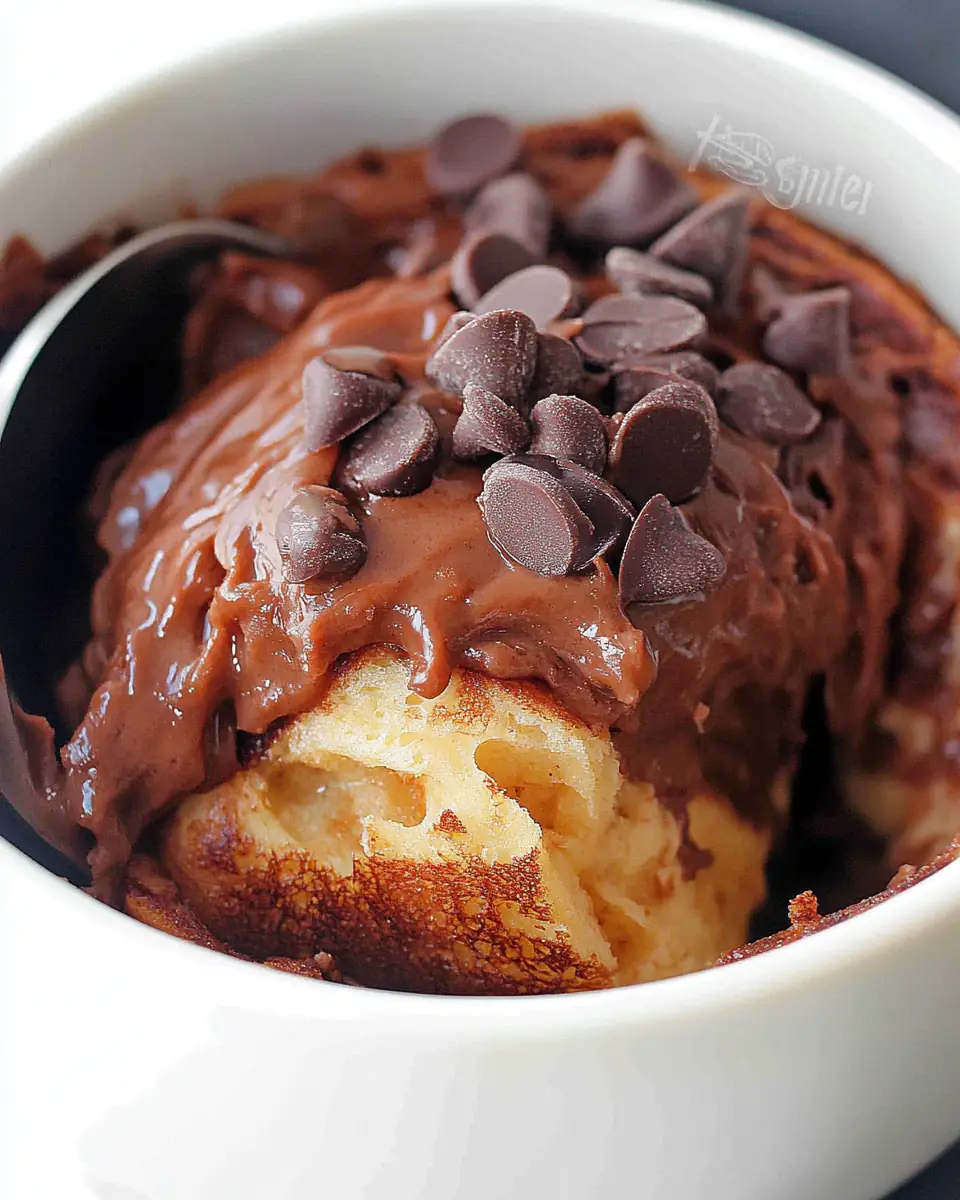
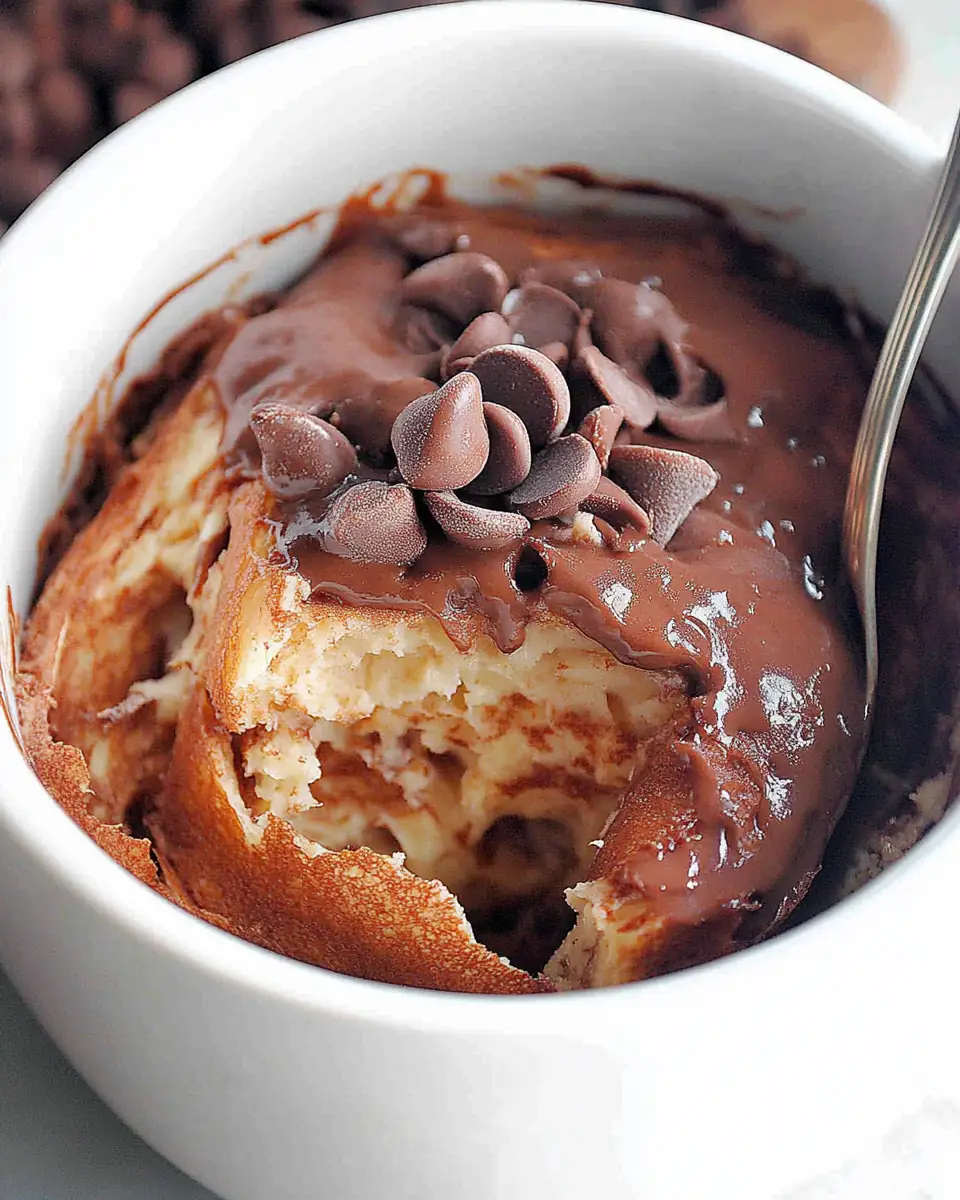
- Chocolate Lover’s Delight: For those with a penchant for chocolate, add chocolate chips to the mix. This decadent treat is sure to satisfy any chocoholic and transform the casserole into a dessert-worthy dish.
Savory Twists
- Cheesy Delight: For a savory spin, mix in shredded cheeses such as cheddar or mozzarella. Top with cooked bacon bits or ham to create a hearty breakfast option that’s both filling and flavorful.
- Herb Infusion: Add herbs like rosemary, thyme, or even a touch of basil to the custard for a fragrant, savory version that pairs wonderfully with a side of sausage or a fresh green salad.
Dietary Modifications
- Dairy-Free Option: For those who are lactose intolerant or following a plant-based diet, substitute almond milk or coconut milk for the whole milk and heavy cream. Use a plant-based butter alternative for drizzling to maintain the dish’s rich texture.
- Gluten-Free Version: Opt for gluten-free bread to accommodate dietary restrictions without sacrificing flavor. This simple substitution ensures that everyone can enjoy the dish, regardless of gluten sensitivity.
Perfecting Your Baking Technique
Creating the perfect French toast casserole requires a few techniques and tips that can elevate the dish from good to outstanding. Paying attention to detail in each step of preparation can make all the difference.
Bread Selection
The choice of bread significantly impacts the texture and flavor of the casserole. French or challah bread is recommended for its ability to soak up the custard without becoming overly soggy. However, you can experiment with other types such as brioche for a richer taste or sourdough for a tangy twist.
Custard Consistency
Achieving the right custard consistency is crucial for a harmonious blend of flavors. The mixture should be well-whisked to ensure the eggs are fully incorporated, preventing any eggy clumps. A pinch of salt is essential to balance the sweetness and enhance the overall flavor profile.
Baking Tips
- Temperature Precision: Preheating the oven is essential for even cooking. A consistent 350°F (175°C) ensures the custard sets while the top becomes golden and slightly crispy, lending the dish its signature texture.
- Resting Period: Allowing the casserole to rest for a few minutes after baking helps it firm up, making it easier to cut and serve without losing its structure.
The Joy of Sharing and Community
One of the greatest pleasures of cooking is the ability to share your culinary creations with others. The Easy French Toast Casserole is a dish that naturally encourages togetherness. Whether you’re hosting a brunch or simply enjoying a quiet morning with family, the act of sharing this meal can foster connections and create lasting memories.
Consider hosting a brunch gathering and inviting friends to bring their favorite toppings or side dishes. This not only lightens your load as the host but also adds variety to the meal. Encourage guests to share stories or traditions related to their chosen dish, turning your brunch into a cultural and culinary exchange.
Sustainability and Mindful Eating
In today’s world, where food waste is a significant concern, recipes like the Easy French Toast Casserole are invaluable. By utilizing day-old bread, you contribute to reducing food waste while enjoying a delicious meal. This recipe encourages mindful eating and resourcefulness, reminding us of the importance of sustainability in our kitchens.
Consider incorporating other sustainable practices into your cooking routine, such as composting kitchen scraps or supporting local farmers by purchasing seasonal produce. These small steps can make a significant impact over time, fostering a more sustainable and mindful approach to food.
Final Thoughts
The Easy French Toast Casserole is more than just a breakfast dish; it’s a celebration of culinary tradition, creativity, and community. As you prepare this casserole, take a moment to appreciate the rich history behind each ingredient and the joy it brings to your table. Whether you’re savoring it on a lazy Sunday morning or sharing it with loved ones during a festive gathering, this dish is a testament to the warmth and comfort that home-cooked meals provide.
So, the next time you have a loaf of bread nearing its end, remember this recipe. It’s an invitation to indulge, to gather, and to cherish the simple pleasures of life. Enjoy every bite, and may your kitchen always be filled with love and laughter. Happy cooking!
In conclusion, French toast, with its humble beginnings, has evolved into a versatile dish that accommodates a myriad of flavors and dietary needs. Its journey through time and across continents is a testament to its universal appeal and adaptability. As we continue to innovate and put our personal spin on it, French toast remains a beloved staple that brings people together, one delicious slice at a time.
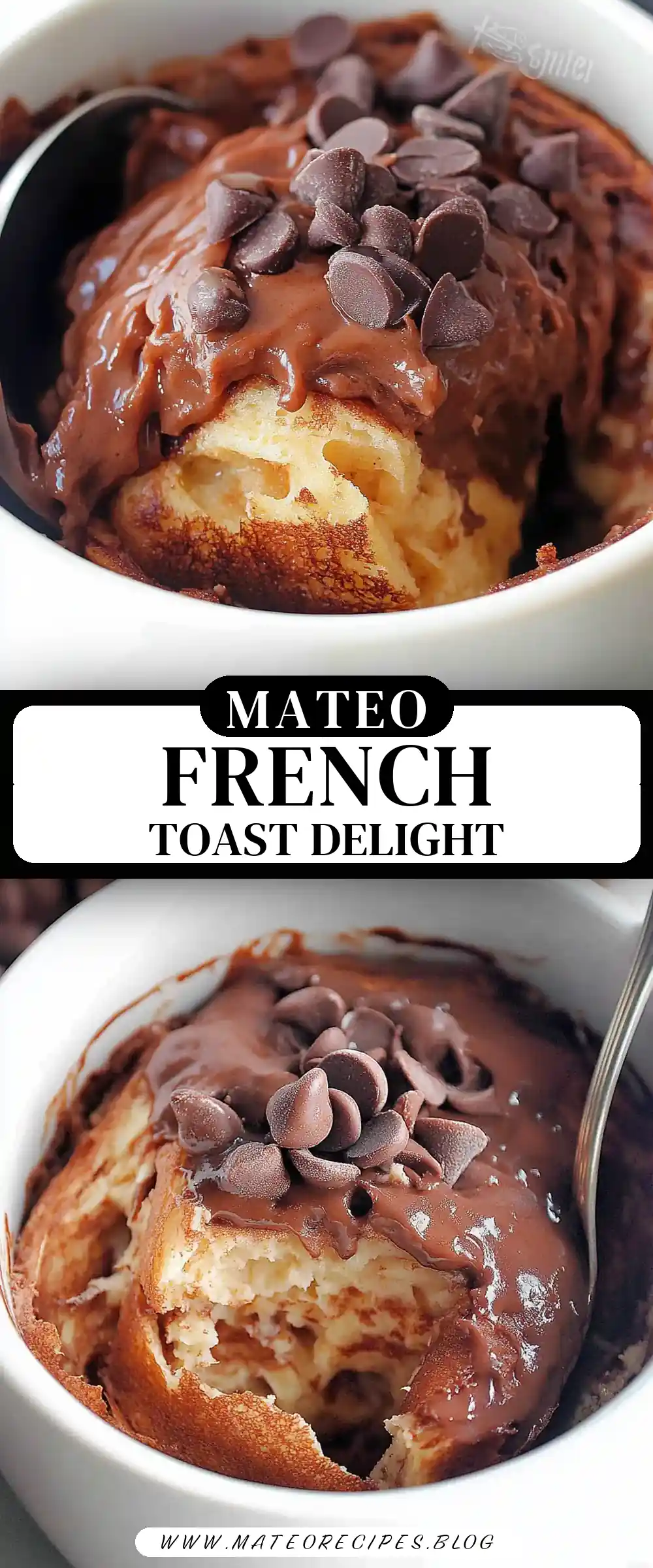
Easy French Toast Casserole
Ingredients
Equipment
Method
- In a large bowl, whisk together the ingredients to combine.
- Transfer the cake mix to an airtight food storage container and keep in a cool, dry place for up to two months.
- To prepare mug cake: Combine 3 tablespoons of the mug cake mix with 2 tablespoons of water in a microwave-safe mug; stir well (the batter should look foamy).
- Microwave on high for 1 minute until the cake is fully cooked.
- Top the cake with frosting or other toppings of your choice.